Since the dTAO release in February 2025, every subnet has its own alpha token, and every alpha token has a price quoted in TAO. That price is the most visible number on a subnet page, and the easiest one to misread. This guide explains where it comes from, what it leaves out, and how to check a trade before you make it.
Where the price comes from
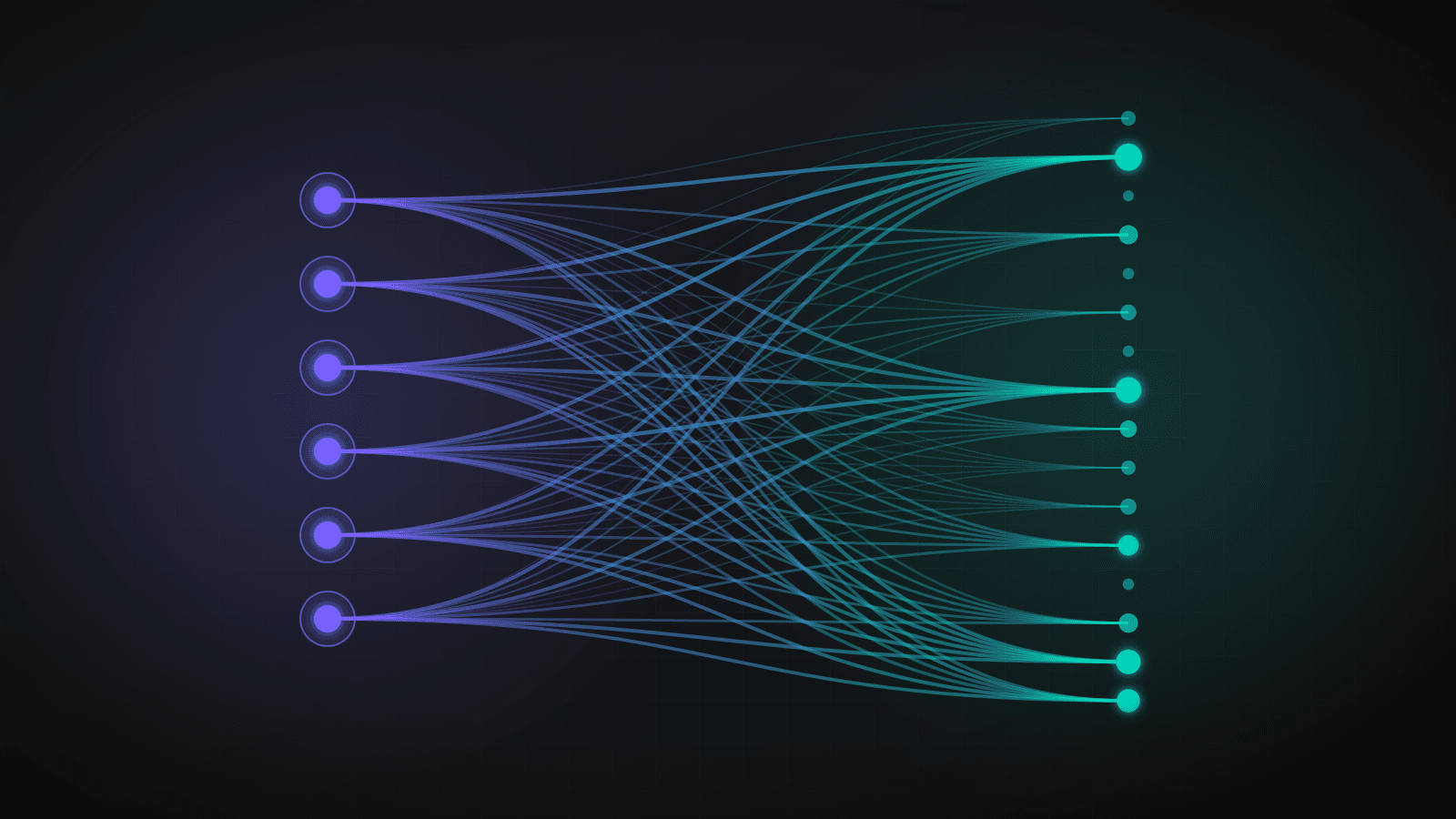
Each subnet has a liquidity pool that holds two reserves: TAO (tao_in) and alpha (alpha_in). The pool behaves like a constant-product market maker, so the product of the two reserves stays constant during a trade, and the price of alpha is simply the TAO reserve divided by the alpha reserve.
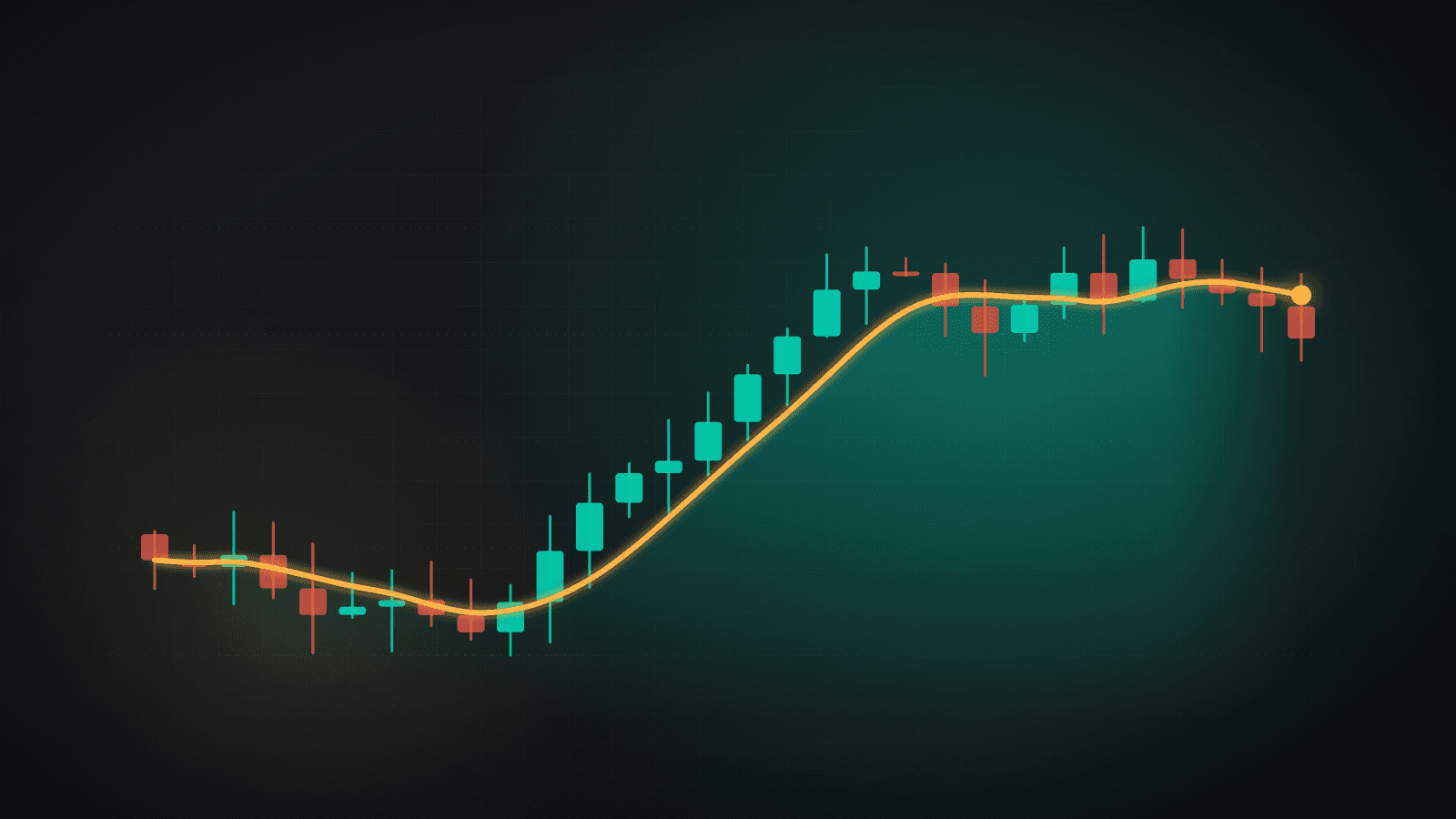
Two things follow from this design. The price moves whenever someone buys or sells, because a trade changes the ratio of the reserves. And the price only describes the pool at one instant, for an infinitely small trade. It says nothing about what a real trade will get.
When you stake TAO into a subnet, you put TAO into the pool and take alpha out, and the amount of alpha you receive follows from keeping the product constant:
Run that for the illustrative pool above and the gap between the quoted price and the fill becomes clear. A trade that is small relative to the pool is almost free of impact. A trade that is large relative to the pool is not.
| Stake into the illustrative pool | Alpha at the quoted price | Alpha received | Shortfall |
|---|---|---|---|
| 1 TAO | 1.00 | 0.99 | 0.99% |
| 10 TAO | 10.00 | 9.09 | 9.09% |
| 100 TAO | 100.00 | 50.00 | 50.00% |
| 1,000 TAO | 1,000.00 | 90.91 | 90.91% |
The shortfall is called price impact: it depends only on the size of your trade relative to the depth of the pool, and it happens even when you are the only person trading. The last row looks absurd, and it is a useful reminder of the shape of the curve. The same trade into a pool a hundred times deeper would barely move the price.
On top of price impact there is a small fee. Swapping through a subnet pool costs 0.05% of the value by default, and a subnet owner can change it, so check the current value before you stake. The pool endpoint of the taostats API reports it as fee_rate next to the price.
- Start with the price, and note its unit. The number is TAO per alpha, and each subnet uses its own symbol rather than the TAO symbol. A low price does not mean a subnet is cheap, and a high price does not mean it is expensive: prices are not comparable across subnets without knowing how much alpha exists.
- Check how deep the pool is. The reserves tell you how far a trade of your size will move the price. A pool that looks active can still be shallow enough for a modest stake to cost a noticeable percentage.
- Estimate your price impact before you trade. Use the formula above, or the price impact calculator on the . It takes a minute and removes the biggest surprise.
- Set a slippage limit. The chain offers limit-price versions of staking and unstaking,
add_stake_limitandremove_stake_limit, that cancel the transaction if the price moves past your tolerance. taostats applies a limit to stakes and unstakes; a tool that calls the plainadd_stakehas no protection at all. - Look at the trend, not only the spot. The chain's emission calculation uses a moving average of each subnet's price rather than the latest value, so a single spike does not by itself change a subnet's share of emissions. Reading the price history gives you the same perspective.
| Signal | What it tells you | What it does not tell you |
|---|---|---|
| Price | The exchange rate at the pool's current reserves | What a trade of any real size will actually receive |
| Pool reserves | How much a given trade will move the price | Who holds the alpha, or how it is spread across holders |
| Recent slippage | How trades have really filled lately | Whether the next trade will fill the same way |
| Emission | The subnet's share of the TAO emitted in each block | Whether the work being done on the subnet is any good |
| Fee rate | The cost of swapping through the pool, 0.05% by default | Anything about price impact, which is a separate cost |
A short checklist is enough. Know the pool's depth. Estimate the impact. Set a limit that is tighter than the impact you are prepared to lose. And remember that alpha can fall against TAO: staking into a subnet gives you exposure to that subnet's token, which can lose value as well as gain it.
To go further, the documentation covers , and in more depth. If you would rather work with the numbers directly, our shows how to pull pool prices and reserves into your own scripts, and the covers the other half of trading safely.